Deciding when to replace your hot water tank is not merely a matter of age; it involves understanding how the unit operates, its maintenance history, and the demands of your household. A hot water tank is an essential part of most homes, providing comfort through reliable hot water for showers, dishes, and laundry. However, like all appliances, they have a lifespan and require attention to ensure they function efficiently and safely.
Understanding Hot Water Tanks
Hot water tanks come in various types including traditional storage tanks and tankless systems. Most conventional models have a lifespan ranging between 10 to 15 years. Factors such as water quality, usage patterns, and the environment can influence this duration significantly. A well-maintained unit may last longer while neglect can lead to premature failure.
Water quality plays a critical role in the longevity of your hot water tank. Hard water contains minerals that can accumulate over time, leading to sediment buildup inside the tank. This sediment can hinder efficiency by insulating the heating element or causing overheating issues that ultimately lead to leaks or failures. Regular maintenance—including periodic flushing—can help mitigate these problems.
Signs Your Hot Water Tank Needs Replacement
Recognizing the signs that your hot water tank needs replacement can save you from unexpected cold showers and costly repairs down the line. Here are some key indicators:
Age of the Unit: If your hot water tank is approaching or exceeding its expected lifespan of 10-15 years, it’s time to consider replacement.
Rusty Water: If you notice rusty or discolored water coming from your taps, it indicates corrosion inside the tank.
Unusual Noises: Loud popping or rumbling sounds from your heater may suggest sediment buildup affecting operation.
Leaks: Any visible leaks around the base of the tank signal that it might be failing.
Inconsistent Temperatures: If you find yourself frequently adjusting the thermostat without achieving consistent temperatures, it could indicate a failing heating element.
Each of these signs warrants immediate attention from a professional who specializes in hot water tank repair or replacement services.
Evaluating Replacement vs Repair
When faced with malfunctioning equipment, many homeowners grapple with whether to repair or replace their hot water tanks. Generally speaking, if repairs exceed 50% of the cost of a new unit or if your system is older than eight years with frequent issues, replacement may be more economical in the long run.
Here are some scenarios where opting for replacement makes sense:
- The cost of frequent repairs adds up significantly over time. You wish to upgrade to a more energy-efficient model. You are expanding or changing your household's hot water needs (e.g., adding family members).
Conversely, minor issues such as thermostat malfunctions or pressure relief valve replacements are often worth repairing instead of replacing the entire unit.
Types of Hot Water Tanks
Selecting the right type of hot water heater depends on several factors including budget constraints, space availability, and energy efficiency preferences. Here are two prevalent options:
Storage Tank Water Heaters: Most common in residential settings; they store a specific volume (typically 30-80 gallons) of heated water for immediate use.
Tankless Water Heaters: Known for their energy efficiency and compact design; these units heat water on demand rather than storing it.
While storage tanks are generally cheaper upfront, tankless heaters offer long-term savings on energy bills due to their efficiency but come at a higher initial investment.
Installation Considerations
Once you've decided on replacing your hot water tank, professional installation is vital for optimal performance and safety. An incorrectly installed unit can lead to significant issues ranging from inefficient operation to potential hazards like gas leaks or flooding caused by overflowed tanks.
During installation:
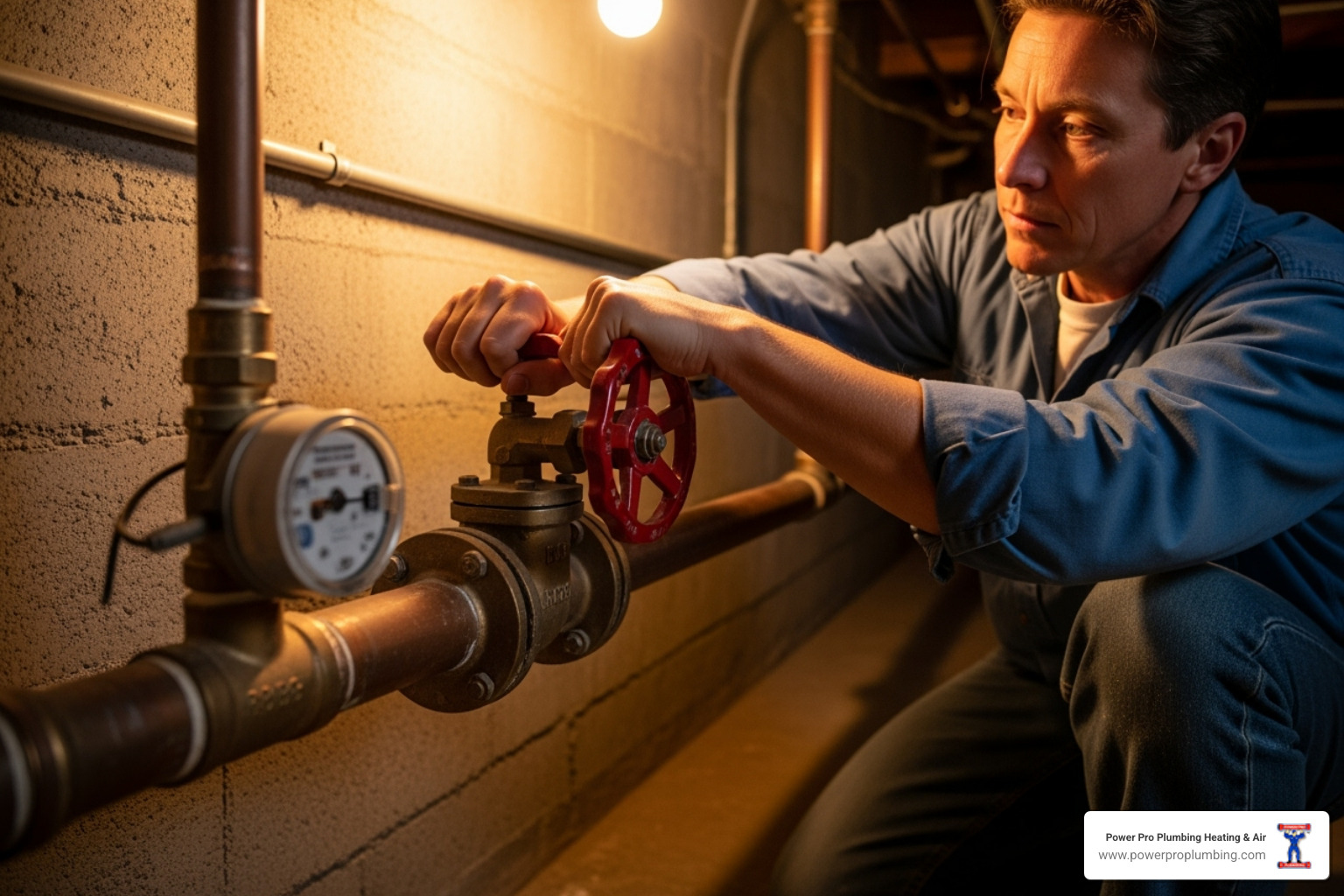
- Ensure that permits are obtained where necessary. Confirm that local building codes are adhered to. Check all connections thoroughly for leaks post-installation.
Working with professionals who specialize in residential and commercial water heater service ensures that installations meet safety standards while also maximizing system efficiency.
Maintenance Tips for Longevity
The life expectancy of any hot water tank can often be extended with water heater thermostat troubleshooting regular maintenance practices:
- Annual Inspections: Schedule yearly check-ups with professionals who understand both residential and commercial systems. Flushing: Regularly flush out sediment buildup—at least once a year—to improve efficiency and prolong lifespan. Anode Rod Replacement: This sacrificial rod helps prevent corrosion inside the tank; inspect it every few years and replace as needed. Temperature Settings: Keeping your thermostat set around 120 degrees Fahrenheit balances comfort with energy savings while reducing risks associated with scalding.
These simple steps contribute significantly toward maintaining optimal performance levels throughout your unit's lifespan.
The Cost Factor
Replacing a hot water heater can be an investment—one that varies widely based on type, capacity, installation complexity, and even geographic location. On average:
- Conventional storage tanks may range between $800 - $1,500 including installation costs. Tankless systems typically fall within $1,500 - $3,000 due to their advanced technology and installation requirements.
It’s wise to obtain multiple quotes from licensed professionals before committing; this not only gives you insights into fair pricing but also allows comparisons based on warranties offered by different manufacturers.
Environmental Considerations
As consumers become more environmentally conscious about their choices at home—hot water tanks aren't exempt from scrutiny either. Opting for energy-efficient models can lower both utility bills and environmental impact significantly over time through reduced energy consumption.
Energy Star rated units provide assurance regarding efficiency levels compared to standard models; thus investing in one aligns personal savings with broader sustainability goals.
Additionally, proper disposal methods should be considered when replacing older units—ensure compliance with local regulations regarding appliance recycling or hazardous waste management related specifically to components expansion tank repair like gas lines or electrical wiring.
Conclusionary Thoughts
Ultimately determining when to replace your hot water tank hinges on recognizing its performance signals combined with an understanding of household demands alongside financial constraints posed by ongoing repairs versus upfront replacements costs. Engaging qualified professionals ensures informed decisions tailored precisely towards individual circumstances fostering peace-of-mind while guaranteeing dependable access to one essential modern convenience—hot running water whenever needed!